Ever finished a call and wished you could play it back? Recording your business calls is more common than it used to be: handy for training new staff, and for keeping a clear record of what was agreed. The trick is doing it properly, and staying on the right side of the law. Here's how.
The legal bits worth knowing first
Before you hit record, it's worth knowing where you stand. The rules for recording calls differ from country to country. In the UK, here's the gist
- A business can legally record its own calls under the Telecommunications (Lawful Business Practice) Regulations 2000, for things like training, quality, record-keeping or sorting out disputes.
- You don't always need consent, but you do need a lawful basis under UK GDPR (usually legitimate interests), and you must make reasonable efforts to tell callers that a recording may take place.
- You can only use a recording for the purpose you told people about. Anything beyond that needs their say-so.
- Callers can ask for a copy of their own recording (a subject access request), and you've got a month to respond.
- You have to be open about what happens to the data, and keep recordings secure so only authorised people can get to them.
- There's no single legal limit on how long you can keep a recording—set a sensible retention period and delete it once it's served its purpose. (Some regulated sectors, like finance, have stricter rules.)
* Always check which rules apply to your own situation. Rinkel can't be held responsible for any breach of the rules.
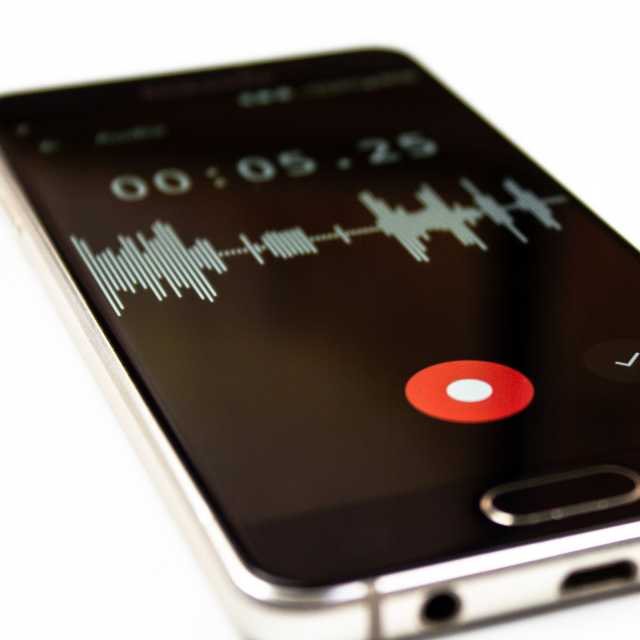
Most mobiles come with some way to record calls built in, or let you install an app that handles it. Whatever you go for, make sure it keeps that data private.
Call recording with Rinkel
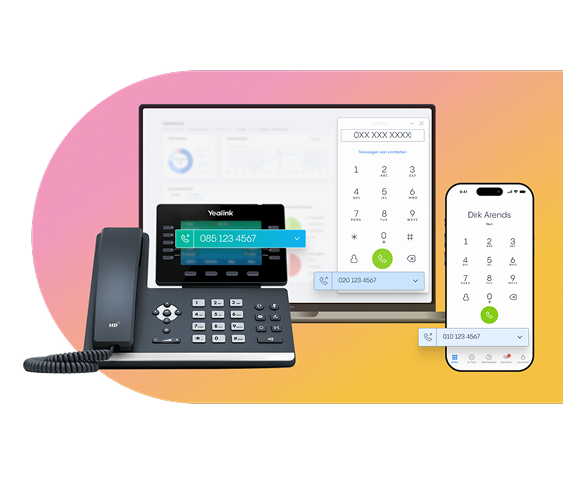
With Rinkel, recording calls is straightforward, and you can keep everything above board at the same time, which builds trust with you and your customers. Rinkel comes with built-in call recording, plus the option to play callers a short message letting them know before the call begins. Already with Rinkel and want to set it up? Your call recording, greetings and call menu all live in the Rinkel app.
Don't be put off recording calls in your business. It's genuinely useful, both for training your team and for looking back over what you agreed with customers. And it needn't be a faff. Follow this guide, lean on a service like Rinkel, and you can record calls legally, keep your communication efficient, and respect everyone's privacy while you're at it.